Business Performance Dashboard for 2890777707, 8003009674, 954487126, 503122, 4694606710, 910059075
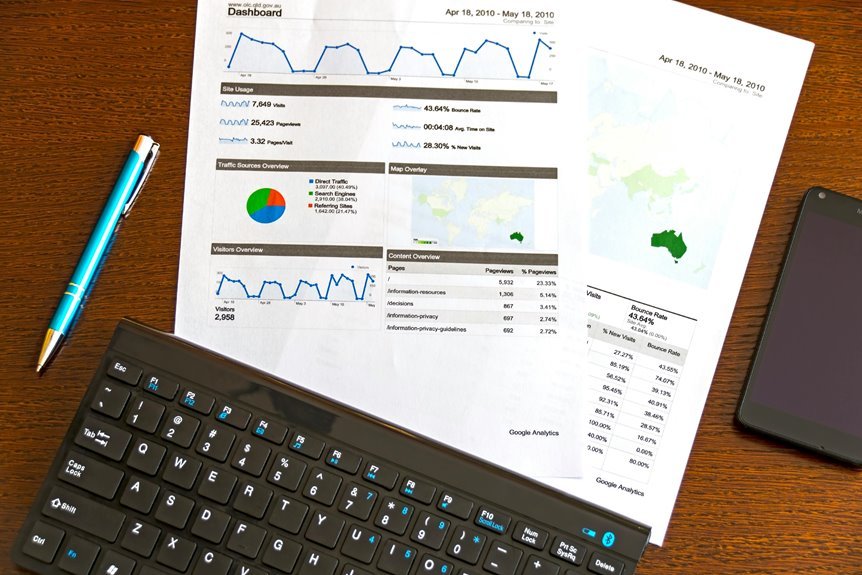
The Business Performance Dashboard for identifiers 2890777707, 8003009674, 954487126, 503122, 4694606710, and 910059075 serves as a pivotal tool for analyzing key operational metrics. It distills complex data into accessible visual formats, fostering informed decision-making. Organizations can effectively track revenue growth, manage expenses, and evaluate customer satisfaction. However, understanding how to maximize the dashboard’s potential requires a deeper exploration of its features and best practices.
Understanding Business Performance Metrics
Business performance metrics serve as critical indicators that provide insights into an organization’s operational efficiency and effectiveness.
These business metrics facilitate performance analysis by quantifying key aspects such as revenue growth, expense management, and customer satisfaction.
Key Features of an Effective Dashboard
An effective dashboard is a strategic tool that synthesizes complex data into accessible visual representations, enabling stakeholders to quickly grasp performance trends and insights.
Key features include intuitive dashboard design, which prioritizes user experience, and advanced data visualization techniques that enhance comprehension.
Additionally, customizable metrics and real-time updates contribute to a dynamic interface that empowers users to make informed decisions confidently and autonomously.
Benefits of Implementing a Business Performance Dashboard
Implementing a business performance dashboard offers numerous advantages that extend beyond mere visualization.
It provides organizations with real-time insights, enabling swift decision-making and responsiveness to market changes.
The enhanced data visualization fosters a deeper understanding of performance metrics, facilitating strategic planning.
Ultimately, businesses can optimize operations, drive efficiency, and improve overall performance, empowering teams to focus on key objectives and achieve desired outcomes.
Best Practices for Using Your Dashboard Effectively
Effective utilization of a business performance dashboard requires adherence to several best practices that enhance its functionality and impact.
Key strategies include dashboard customization to align metrics with organizational goals and comprehensive user training to ensure familiarity with the tool.
These practices empower users to extract actionable insights, fostering a culture of informed decision-making and promoting overall business agility and responsiveness.
Conclusion
In conclusion, a well-designed business performance dashboard serves as a vital compass for organizations monitoring key metrics. By providing clarity amid complexity, it allows teams to stay ahead of the curve and make informed decisions. Organizations that embrace these tools can effectively navigate the ever-changing market landscape, ensuring they are not just keeping their heads above water but also steering towards sustained growth and success. Ultimately, leveraging a dashboard can transform data into actionable insights, driving performance excellence.